1. Name the reviewer and the decision being made
An outline reference helps select a display shape; a finish sample helps compare appearance. Neither automatically approves the installation kit, retail pack or production specification. Before sampling, identify who will review each part and who can authorize the final specification.
Give every sample a reference, purpose and intended vehicle configuration. Keep the approval record with the order requirements so 'looks good' cannot be mistaken for approval of unreviewed items.
2. Freeze the version you are actually reviewing
Record the vehicle model, year, destination market, steering side and display position. Match these to the selected SKU, drawing revision, material, finish and actual screen photographs. A vehicle name or diagonal-size label is insufficient when outlines, openings or dashboard generations differ.
Label the received sample. Resolve discrepancies with the quotation or drawing before evaluation. Do not silently rename a replacement sample as the original version.
- Identify every piece separately in a center, instrument or rear-screen set.
- Mark dimensions, market compatibility and construction details that remain unconfirmed.
3. Separate outline, installed-sample and packaging approval
Separate drawing review, physical sample evaluation and packaging proof. Drawing review establishes proposed geometry; installed-sample review checks that sample on the intended display. Packaging proof checks the label, instructions and agreed contents. Passing one stage does not close the others.
Record limitations such as a substitute display or incomplete pack and keep the affected approval open. Follow the vehicle manufacturer's instructions when deciding whether installation and evaluation are appropriate.
4. Record observations under agreed conditions
Before evaluation, agree what will be checked and how the result will be recorded. Review alignment, coverage, edge clearance, cutouts, visible defects, readability and touch operation where applicable. Keep photographs and observations linked to the sample reference. Separate an observed issue from a proposed explanation; a lifted edge alone does not establish its cause.
For a clear-versus-matte choice, keep the outline, display brightness, viewing position and lighting comparable. Ask for product-specific evidence when a hardness, coating or optical requirement matters. This checklist supplies no universal numerical pass limit and is not a completed test report.
5. Decide: approve, revise or hold
Record a decision for each requirement and an overall release decision. Use 'approve' for accepted scope, 'revise' for an identified correction, and 'hold' when missing information prevents a decision.
List each open issue with its owner, required evidence and next review point. Avoid ambiguous conditional approvals. For an accepted exception, identify the condition, SKU, quantity scope and authorizing person.
6. Review the pack as a separate deliverable
Match the sample inside the pack to the SKU and label outside it. Confirm the number of protectors, screen positions, installation accessories and instruction version. Review private-label artwork, barcode data and language requirements against the intended sales channel; do not assume a generic packaging photograph represents every SKU.
Keep the packaging proof reference in the same approval record. If the glass is accepted but artwork is still open, show those two statuses separately. Packaging minimums, timing and any mixed-SKU shipment arrangement need quotation confirmation.
7. Reopen the affected checks when something changes
A new outline, cutout, material, finish or pack configuration can change what the original approval means. Retain the previous version, describe the requested change and assign a new revision or sample reference. Recheck the affected requirements and any connected features before authorizing that version.
For a reorder, ask whether the vehicle display, product specification or packaging has changed. Approval of one market or screen configuration is not evidence for every version carrying the same vehicle name.
8. Attach the accepted specification to the bulk order
Bring the final drawing, sample ID, finish reference, packaging proof and signed decisions together. Identify the quantities and SKU lines to which the approval applies. Keep the agreed inspection requirements and unresolved commercial items visible; sample acceptance does not establish a price, production date or shipping commitment.
Send this record with your wholesale RFQ or purchase-order review. A clear handoff helps the buyer and supplier work from the same version and makes later discrepancies easier to investigate without erasing earlier decisions.
Keep a usable approval record
| Record item | Information to enter | Decision / supporting reference |
|---|---|---|
| Review scope | Sample purpose, reviewer and release authority | Enter scope and responsible person |
| Vehicle and display | Model, year, market, steering side and position | Enter photographs and unconfirmed fields |
| Version baseline | SKU, sample ID, drawing revision, material and finish | Enter received-version check |
| Installed evaluation | Agreed conditions, checks and observations | Enter evidence and approve / revise / hold |
| Packaging | Pack contents, label, instructions and artwork revision | Enter proof reference and separate decision |
| Open issues | Issue, owner, requested change and next review | Enter evidence still needed |
| Release | Accepted specification and applicable order lines | Enter approver, date and release decision |
Apply the checklist to real catalog references
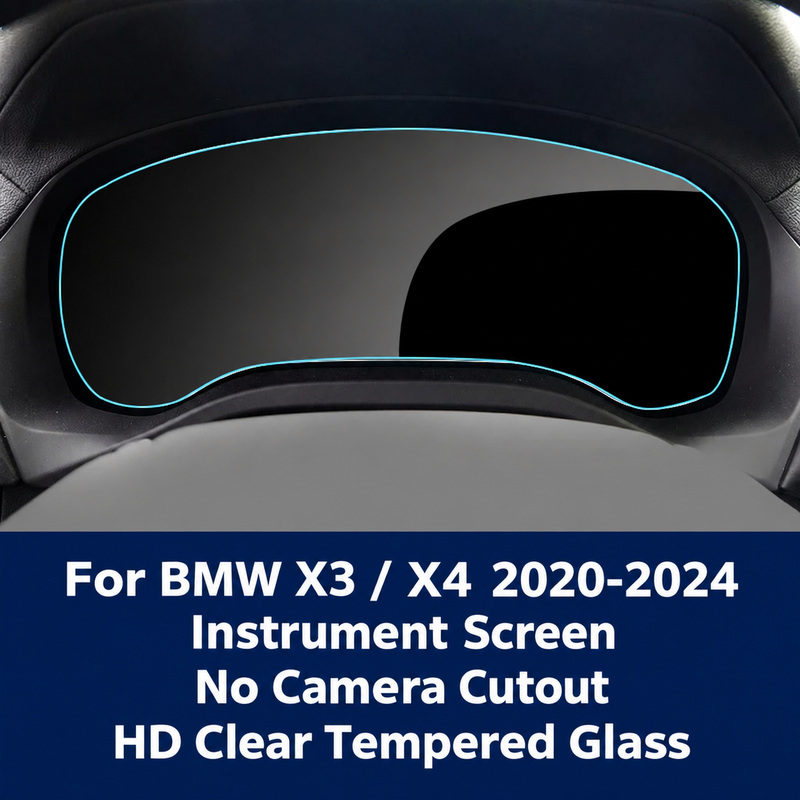
BMW X3 instrument glass: SKU 08 →
The catalog reference has no camera cutout. Keep its sample identity separate from the camera-cutout option; the catalog year label does not establish fit in every market.
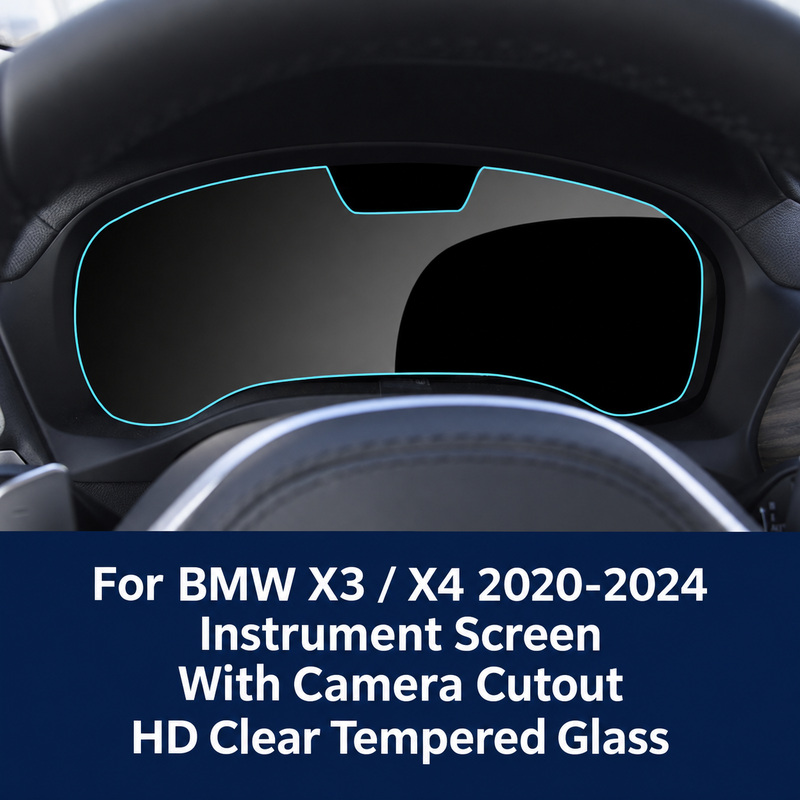
BMW X3 instrument glass: SKU 09 →
This catalog reference has a camera cutout. Review the actual opening, complete outline and intended display before accepting a sample. Neither catalog reference is presented as already sample-approved.
Continue your buying review
- How to Measure an Automotive Screen →
- Clear vs Matte: A Buyer’s Guide →
- Private-Label Automotive Screen Protector Packaging: A Mixed-SKU Order Guide →
- Define Quality Before Production →
Explore all automotive screen-protector buying guides →
Send the references you want to approve
Share your vehicle list, selected SKU, quantities, available drawings and open packaging questions. MOQ, sample costs, production and shipment terms are confirmed in the quotation.
Request an OEM Sample & Wholesale Quote ↗